

Ever spotted “JSP” at the end of a message and scratched your head wondering what it means? You’re definitely not the only one. As texting culture moves faster than ever, new abbreviations pop up almost daily, and keeping up can feel like a full-time job. JSP is one of those short, punchy slang terms that has quietly worked its way into everyday digital conversations — from WhatsApp group chats to Instagram comment sections and TikTok replies. Knowing what it means can save you from an awkward misread or an unintended overreaction.
This guide breaks down everything you need to know about JSP in text — its core definition, where it came from, how it shows up across different platforms, and what it means in technical fields like physics, medicine, and aviation. Whether you’re a curious teen, a parent trying to decode your kid’s messages, or just someone who wants to stay fluent in internet slang, this article has you covered with real examples, comparison tables, and practical tips.
Meaning & Definition
What does JSP mean in text?
JSP most commonly stands for “Just Saying, Period” or simply “Just Saying” in casual digital communication. It’s an informal slang abbreviation added to the end of a sentence to soften a statement, share an opinion without sounding confrontational, or signal that the speaker is being candid rather than aggressive.
Think of it as a verbal cushion. When someone says, “That haircut doesn’t really suit you, jsp,” they’re not trying to start an argument — they’re flagging that it’s just an honest observation, nothing personal.
Some users also interpret JSP as:
- Just Saying Please — softening a request or advice politely
- Just Playing — indicating the previous statement was a joke
- Just Saying, Peace — signing off casually with a friendly tone
The precise meaning shifts slightly depending on tone, platform, and the relationship between the people chatting. Context is everything.
Background
Where Did JSP Come From?
JSP didn’t appear overnight. Its roots trace back to the rise of SMS culture in the early 2000s, when character limits and the need for fast replies pushed people to shorten common spoken phrases. “Just saying” was already a popular spoken expression — a gentle way to share an opinion without picking a fight. Turning it into “JS” was a natural first step.
Over time, some users added “P” to create JSP, giving the phrase a stronger, more definitive feel. The “Period” at the end mirrors the emphatic way people speak in real life when they want to make a point and close the conversation — “I’m right, period.”
Social media platforms like Instagram and TikTok accelerated the spread of short, expressive abbreviations like JSP, particularly among teenagers and young adults who prefer punchy, low-effort communication. Unlike LOL or BRB, which emerged from early internet chatrooms, JSP evolved more organically through everyday messaging habits.
Usage in Different Contexts
Everyday Texting
In casual one-on-one texting, JSP almost always appears at the end of a sentence. It rarely stands alone. Its job is to soften whatever came before it.
Examples:
- “You’ve been a bit distant lately, jsp.”
- “I think you’d look great in blue, jsp 😊”
- “That movie wasn’t as good as everyone said, jsp.”
Notice how each sentence would feel blunter or more critical without JSP tacked on. It acts like a conversational safety valve — releasing pressure before it builds.
With Friends vs. Strangers
| Setting | How JSP Feels |
| Close friends | Playful, teasing, comfortable |
| New acquaintances | Slightly bold but generally friendly |
| Online strangers | Can come across as passive-aggressive without emojis |
| Professional settings | Inappropriate — avoid in formal emails or work messages |
Meaning in Chat, WhatsApp, Instagram, TikTok
On WhatsApp, JSP shows up most frequently in personal chats and group conversations between friends and family. It carries a friendly, honest tone — the kind you’d use with someone you’re comfortable being real with.
“Hey, I think you should apologize first, jsp.”
Instagram users drop JSP in comments or captions to add a playful or lightly sarcastic edge to their opinion.
“That filter is a bit much, jsp 😏”
It signals the commenter is joking or just sharing a thought, not throwing shade.
TikTok
On TikTok, JSP pops up in comment sections, often after a bold opinion about a video or trend.
“This song is overrated, jsp.”
The informal, fast-paced nature of TikTok communication makes JSP a natural fit.
Snapchat
Snapchat users pair JSP with emojis in private messages or story replies to keep things casual and lighthearted.
“You looked better in the last one, jsp 😂”
In French-Speaking Communities
Worth noting: in French texting culture, “jsp” is shorthand for “je sais pas,” meaning “I don’t know.” If you’re chatting with a French speaker, the same abbreviation carries a completely different meaning — context and audience always matter.
Also read this:FN Mean in Text: Meaning and Example for Everyone (2026)
Meaning in Physics, Medical, and Aircraft Terminology
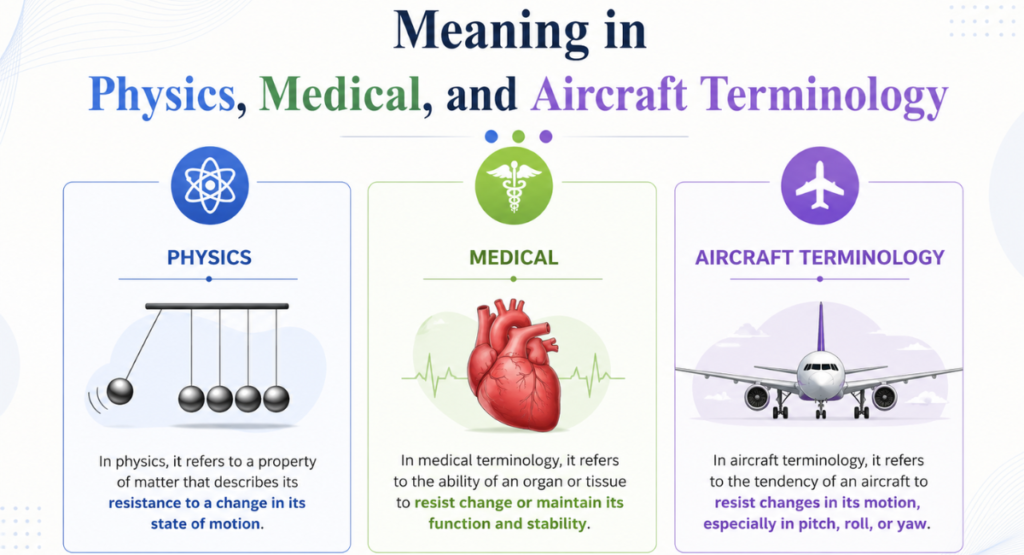
JSP isn’t exclusively a texting term. In more specialized fields, it carries entirely different meanings:
| Field | JSP Stands For | What It Means |
| Physics | Joule Second per Photon | A niche unit used in specific energy calculations |
| Medical | Joint Surgical Procedure | An abbreviation used in clinical notes and surgical planning documents |
| Aviation/Aircraft | Jet Stream Pressure | Referenced in aviation engineering and meteorological documentation |
| Computing | JavaServer Pages | A Java-based web technology introduced by Sun Microsystems in 1999 for building dynamic web content |
If you stumble across JSP in a technical article, forum thread, or professional document, it almost certainly refers to one of these technical meanings rather than internet slang. Always read it in context.
Common Misconceptions
A few misunderstandings come up repeatedly when people search for what JSP means:
“JSP always means the same thing.” It doesn’t. Meaning shifts with context. JSP in a coding forum likely refers to JavaServer Pages. JSP in a WhatsApp message almost certainly means Just Saying or Just Saying, Period.
“JSP is rude or passive-aggressive.” Not inherently. The intent is usually to soften a comment, not sharpen it. That said, without emojis or a warm tone, it can occasionally read as passive-aggressive — especially with someone you don’t know well.
“JSP and JS mean the same thing.” They’re similar, but JSP carries a slightly stronger, more emphatic tone. The added “P” (Period) gives it more finality. JS is more neutral; JSP feels a bit more definitive.
“Only young people use JSP.” JSP is most popular among millennials and Gen Z, but it’s used across age groups in casual digital communication.
Similar Terms & Alternatives
If you’re comfortable with JSP, you’ll recognize these close relatives in the internet slang family:
| Abbreviation | Full Form | Tone / Usage |
| JS | Just Saying | Neutral, softer than JSP |
| JK | Just Kidding | Signals a joke; more playful |
| IMO | In My Opinion | Clearly opinion-based; more formal than JSP |
| TBH | To Be Honest | Honest but direct; can feel blunt |
| NGL | Not Gonna Lie | Casual honesty; widely used among Gen Z |
| JP | Just Playing | Signals humor; interchangeable with JK in some contexts |
Each of these serves a similar purpose — managing tone in text-based communication where body language and vocal inflection are absent — but they carry slightly different emotional weights.
How to Respond to It
Receiving a message that ends in JSP doesn’t require a complex or defensive reply. Here are the most natural ways to respond:
- Acknowledge it casually: “Ha, fair enough.” or “Got it, thanks.”
- Agree lightly: “Yeah, I see your point, jsp 😄”
- Disagree gently: “I kind of see it differently, but I hear you.”
- Ask for clarification if needed: “Wait, were you joking or being serious?”
- Ignore it: If JSP feels like filler and the rest of the message is clear, you can respond to the core point and move on.
The golden rule: keep it relaxed. JSP is designed to ease tension, so match that energy in your reply.
Differences from Similar Words
Understanding where JSP sits among its peers helps you use it precisely:
JSP vs. JK: JK (Just Kidding) completely walks back a statement. JSP softens it but doesn’t fully retract it. “Your cooking is terrible, jk” means it was a joke. “Your cooking is a bit salty, jsp” means the opinion stands — just gently.
JSP vs. TBH: TBH (To Be Honest) is forward-facing and sets up an honest statement. JSP is trailing — it follows a statement to soften it after the fact.
JSP vs. IMO: IMO marks something clearly as personal opinion upfront. JSP is more casual and less formal, often implying the speaker isn’t expecting debate.
Relevance in Online Conversations & Dating Apps
JSP has found a particularly comfortable home in online dating. When someone is getting to know a stranger, directness can feel risky. JSP creates breathing room — it lets people share genuine thoughts without coming across as too intense or blunt.
Examples on dating apps:
- “I think you’d have had a better profile photo with natural lighting, jsp.”
- “Honestly, your taste in music is kind of underrated, jsp 😄”
It signals honesty without pressure, openness without aggression. In early-stage conversations where people are still feeling each other out, that balance is genuinely useful.
More broadly, JSP keeps online interactions human. As digital communication strips away tone, facial expressions, and body language, abbreviations like JSP serve as emotional shorthand — tiny signals that help people calibrate how to receive a message.
Conclusion
Understanding what JSP means in text is one small but genuinely useful step toward navigating modern digital communication with confidence. At its core, it’s a tone-softener — a way to share honest opinions, lighthearted teasing, or candid thoughts without creating unnecessary tension. Whether you encounter it on WhatsApp, Instagram, TikTok, or a dating app, the intent is almost always friendly rather than hostile.
The key takeaway is this: always read JSP in context. In casual texting, it signals honesty with a soft landing. In technical or professional settings, it means something else entirely. Stay curious about evolving internet slang, and you’ll never be caught off guard by a three-letter abbreviation again.
