


You’re deep into a conversation online when a four-letter word shows up out of nowhere: WYLL. No context. No explanation. Just four letters sitting there like a pop quiz. Whether itlanded in your Snapchat DMs, Instagram inbox, or a dating app chat, that tiny acronym carries more social weight than you might expect.
This guide explains everything about what WYLL means in text—where it came from, how it’s used across different platforms, how to respond confidently, and what to watch out for. If you’ve seen it and paused, you’re in the right place. By the time you finish reading, WYLL will feel as familiar as LOL or WYD. No confusion, no overthinking—just clear, honest, and practical answers that help you navigate modern digital communication like a pro.
Meaning & Definition
WYLL stands for “What You Look Like.”
It is a texting initialism—each letter is read separately, like LOL or WYD—and it functions as a direct question about your physical appearance. The person sending it usually wants to see a photo, a selfie, or at minimum a short physical description.
Quick-reference definition:
| Term | Full Form | Type | Tone |
| WYLL | What You Look Like | Slang / Initialism | Casual, curious, sometimes flirty |
| wyll | What you look like | Lowercase variant | Same meaning, more informal |
| WYL | What you look like | Shortened variant | Rare but used occasionally |
WYLL is not a complex acronym with multiple interpretations. The core meaning stays consistent. What shifts is the tone and intent behind it, which depends entirely on who sends it, when they send it, and the context of the conversation.
WYLL in a Sentence
- “We’ve been talking all week. WYLL? 👀”
- “WYLL? Send a snap!”
- “You seem really cool. Wyll tho?”
In every example, the message is the same: show me what you look like.
Background
Where Did WYLL Come From?
WYLL didn’t arrive with an announcement. Like most internet slang, it quietly evolved from everyday spoken language. The phrase “what do you look like?” has always been a natural question when two people are getting to know each other but haven’t met in person. Texting culture simply compressed it.
As digital communication accelerated in the 2010s, users began shortening common phrases to save time. “What you look like” became WYLL—a natural reduction that fit the rhythm of fast-paced DM culture.
Timeline of WYLL’s Rise
- Early 2010s: The phrase gains traction in informal online chat rooms and early social platforms.
- Mid-2010s: Snapchat’s photo-first culture makes the question of appearance even more common between strangers.
- Early 2020s: WYLL enters mainstream use, especially among Gen Z. It spreads to TikTok, Instagram DMs, and dating apps.
- 2023–2026: The term becomes widely recognised. Merriam-Webster noted its cultural usage in informal records, and USA TODAY covered it as part of its ongoing slang explainer series.
WYLL is still primarily teen and young-adult slang, but its reach has grown. Anyone active on social media or dating platforms will encounter it eventually.
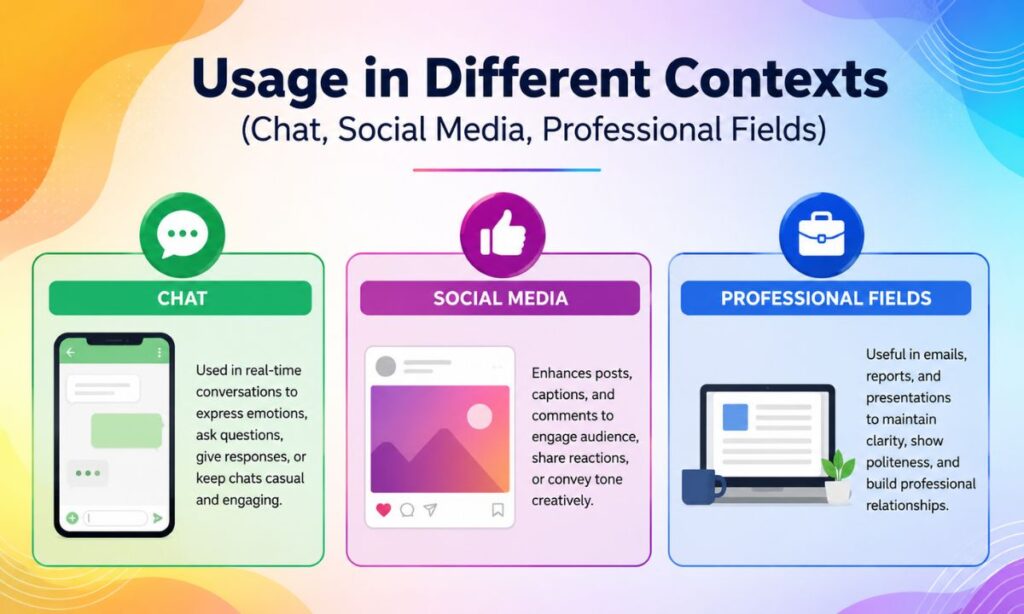
Usage in Different Contexts (Chat, Social Media, Professional Fields)
Casual Chat
In a regular one-on-one text conversation between friends or new acquaintances, WYLL is relaxed and low-stakes. Between people who already know each other, it often comes across as playful—”send me a selfie!”
Social Media
On visual-first platforms like Snapchat and Instagram, WYLL is extremely common. Strangers who connect through mutual followers, story replies, or comment threads often use it as a natural next step in getting to know someone.
Dating Apps
This is where WYLL carries the most weight. When two people match and start chatting without profile photos or with limited images, WYLL becomes an early icebreaker. It can signal interest, but asking too early can feel forward or even intrusive. Context and timing matter enormously here.
Professional Settings
WYLL has no place in professional communication. Using it in work emails, LinkedIn messages, or formal chats is inappropriate and could come across as unprofessional or disrespectful. It is strictly informal slang and should stay in casual digital spaces.
Context summary:
| Setting | Is WYLL Appropriate? | Typical Tone |
| Friend group chat | ✅ Yes | Playful |
| New online acquaintance | ✅ With care | Curious |
| Dating app DM | ✅ Context-dependent | Flirty or curious |
| Snapchat streaks | ✅ Very common | Casual |
| Work email or LinkedIn | ❌ No | Inappropriate |
| Formal messaging | ❌ No | Out of place |
Meaning in Chat, WhatsApp, Instagram, TikTok
WYLL on Snapchat
Snapchat is the native home of WYLL. The platform is built around sharing images and videos, so asking “WYLL?” in a Snapchat DM is practically a default move. Users often send it right after someone adds them or during an ongoing streak. A “WYLL Snap” typically means a snap where you show your face, or an invitation for the other person to do the same.
WYLL in WhatsApp
WhatsApp is more personal and often used between people who already know each other. WYLL here tends to be lighter—less about meeting a stranger and more about casual curiosity or playful banter. It’s still informal slang, so it fits right into group chats or one-on-one conversations with friends.
WYLL on Instagram
Instagram DMs see plenty of WYLL usage, especially after story replies or when two people connect through comments. Even if someone has photos on their profile, they may still ask WYLL because they want a live photo or a current selfie—confirmation that the person is real and looks how they present themselves.
WYLL on TikTok
TikTok has helped popularise many Gen Z slang terms, and WYLL is no exception. It appears in comment sections, DMs, and even in stitched or duet content where creators jokingly ask their audience. Several viral videos have been made around awkward WYLL conversations, cementing it in internet culture.
WYLL in Text Messages (SMS)
In direct text messages, WYLL usually appears after a phone number exchange—often from a dating app or an online interaction that has moved to texting. It signals that the sender wants to get more personal and visual about the connection.
Also Read:What Does TTM Mean in Text? Understanding Its Use and Contexts
Meaning in Physics, Medical, and Aircraft Terminology
While WYLL as internet slang means “What You Look Like,” it is worth clarifying that the acronym does not carry any established meaning in physics, medicine, or aviation terminology. There is no recognised scientific, clinical, or aviation use of the abbreviation WYLL in any major technical glossary or industry database.
If you’ve encountered WYLL in a non-digital, non-casual context and are wondering if it has a specialised technical meaning, the answer is: it almost certainly does not. It is purely a product of modern internet communication, with no cross-over into formal academic or professional fields.
This distinction matters because internet slang and technical acronyms sometimes share letter combinations. In this case, WYLL is exclusively a social/digital term.
Common Misconceptions
Misconception 1: WYLL Is About Personality, Not Appearance
Some people assume WYLL is a broader question about who you are as a person—your vibe, interests, or character. While one widely cited source (USA TODAY referencing Urban Dictionary) notes it can touch on personality or interests in some uses, the dominant and near-universal meaning is about physical appearance. If someone sends WYLL, they are almost always asking what you look like, not who you are as a person.
Misconception 2: You Must Reply With a Photo
There is no obligation to send a photo just because someone asked. WYLL is a question, not a demand. You can describe yourself in words, respond with humour, set a boundary politely, or choose not to reply at all. The power always stays with you.
Misconception 3: WYLL Is Rude or Inappropriate by Default
It isn’t. WYLL is casual slang—it can feel intrusive if sent by a stranger too early, but among friends or in established conversations it is harmless. The context determines whether it’s appropriate, not the word itself.
Misconception 4: Only Young People Use It
WYLL did originate as teen slang and remains most popular with Gen Z and younger millennials. However, anyone who spends time on social media or dating platforms can encounter and use it regardless of age.
Misconception 5: “wyll” (Lowercase) Means Something Different
It doesn’t. Lowercase “wyll” and uppercase “WYLL” carry identical meaning. The capitalisation is a stylistic choice, not a semantic one.
Similar Terms & Alternatives
WYLL exists in a rich ecosystem of texting abbreviations. Here are the closest related terms:
| Slang Term | Full Form | Key Difference |
| WYLL | What You Look Like | About appearance; asks for photo/description |
| WYD | What You Doing | About activity, not appearance |
| WYA | Where You At | About location |
| WYM | What You Mean | Asking for clarification |
| WYL | What You Like | Preference-based; sometimes an alternate spelling of WYLL |
| HMU | Hit Me Up | An invitation to connect |
| PMOYS | Put Me On Your Snapchat | Platform-specific appearance sharing request |
| Snap me | Platform-specific | Direct request for a Snapchat photo |
Among these, PMOYS is probably the closest functional alternative to WYLL on Snapchat specifically, since it directly asks for a photo via the platform. WYLL is more platform-neutral and works in any chat environment.
How to Respond to It
Receiving WYLL can feel unexpected, especially from someone you don’t know well. Here’s a practical guide for every situation:
If You’re Comfortable
Send a selfie, a recent photo, or a short physical description. Keep it lighthearted if the conversation has been casual.
“Ha, sure—[photo]” “5’7, dark hair, usually wearing something with pockets 😄”
If You Want to Be Playful
Humour is always a solid deflection and keeps the conversation fun without oversharing.
“Like a tax-paying adult, nothing exciting 😂” “Cute enough to keep you curious 😏” “Classified information for now 👀”
If You’re Not Comfortable
You don’t owe anyone a photo. A polite, clear boundary is always valid.
“I’m not big on sharing pics this early, but happy to keep chatting!” “Let’s talk a bit more first 🙂”
If It Feels Like a Red Flag
If the request is pushy, repeated after you’ve declined, or comes from someone with no profile photo and a brand-new account, trust your instincts. You can ignore the message entirely. No response is a complete response.
The Golden Rule
Never feel pressured to share photos or personal content with anyone online, regardless of how the request is phrased.
Differences from Similar Words
WYLL is sometimes confused with other acronyms that look or sound similar. Here’s how it compares:
WYLL vs. WYL
These are near-identical. WYL is simply a shortened version occasionally used in typing, but the meaning—”What You Look Like”—remains the same.
WYLL vs. WYD
WYD means “What You Doing” and is about activity, not appearance. Someone asking WYD wants to know how you’re spending your time. Someone asking WYLL wants to see your face.
WYLL vs. WYLA
WYLA doesn’t have a widely standardised meaning. It may appear as a typo or regional variation of WYLL. Don’t assume it has a different definition—clarify in context.
WYLL vs. WYM
WYM means “What You Mean”—a request for clarification. Completely different intent from WYLL.
Quick Comparison
| Acronym | Meaning | Intent |
| WYLL | What You Look Like | Appearance curiosity |
| WYD | What You Doing | Activity check |
| WYA | Where You At | Location check |
| WYM | What You Mean | Clarification request |
| WYLA | No fixed meaning | Likely a WYLL variant |
Relevance in Online Conversations & Dating Apps
Why WYLL Matters in 2026
Digital communication has fundamentally changed how people meet and connect. In an era of online-first relationships—whether platonic, romantic, or somewhere in between—visual identity matters. WYLL emerged as the shorthand for one of the most human impulses in online conversation: curiosity about who you’re actually talking to.
On dating apps especially, WYLL often surfaces after an initial exchange when profiles offer limited photos. It’s a way of bridging the gap between a text-based connection and a visual one. Used respectfully, it’s a normal step in getting to know someone.
WYLL and Dating Culture
- WYLL commonly appears in early-stage dating app conversations before a phone number is exchanged.
- It can signal attraction, but it can also reflect simple curiosity with no romantic intent.
- Asking WYLL too early—within the first message or two—can come across as shallow or pushy.
- The question is more natural and better received after some rapport has been built.
- On apps where profiles are text-heavy or anonymous, WYLL carries more practical weight.
Online Safety and WYLL
For younger users especially, understanding the social context of WYLL is an important digital literacy skill. When WYLL arrives from a stranger with no profile, no mutual connections, and an insistent tone, it shifts from casual slang to a potential concern. Parents, educators, and teens benefit from understanding how this term fits into the broader landscape of online interaction—not to fear it, but to navigate it with confidence.
The Bigger Picture
WYLL is a small word in a massive, fast-moving language. Internet slang is a living ecosystem that changes with every new platform and every new generation of users. Words like WYLL, WYD, and HMU aren’t just abbreviations—they reflect how digital communication has become its own dialect, with its own grammar, tone, and social rules. Staying fluent in that dialect means staying connected.
Conclusion
WYLL means “What You Look Like”—a casual, four-letter slang term that asks about your appearance and is most common on Snapchat, Instagram, TikTok, dating apps, and everyday text messages. It’s a product of Gen Z digital culture, born from the need to communicate quickly and visually in online-first relationships.
Understanding WYLL gives you the confidence to respond on your own terms—whether that’s sending a selfie, cracking a joke, setting a polite boundary, or simply scrolling past. Language online moves fast, but knowing these terms keeps you in control of every conversation. Stay informed, stay comfortable, and always communicate on your own terms.
